E-Learning
SmartTrack
RFID based Smart Attendance System. We developed an RFID based Smart Attendance System using Esp32, C++, HTML, CSS, JS.
My Role
Web Developer, Hardware Handling, UI/UX Design
Duration
4 months
Tools
ESP32 Microcontrollers, Node.js, Radio-Frequency Identification (RFID), JavaScript, Embedded C
Link
Overview
SmartTrack aimed to address the challenge of inefficient manual attendance tracking in educational and professional settings, where traditional methods are time-consuming and prone to errors. The goal was to create an automated system that could accurately log attendance using RFID technology while ensuring real-time data updates for administrators without requiring extensive infrastructure.
I developed SmartTrack as an RFID-based attendance system using an ESP8266 microcontroller and NXP MFRC522 RFID reader to scan 13.56 MHz MIFARE 1K cards, logging attendance data seamlessly. The system integrates with Firebase via a Node.js server to store and update attendance records in real-time, allowing administrators to access data through a simple web interface, while ensuring low-cost hardware implementation with breadboard assembly for portability.
Research
To build SmartTrack, I researched RFID technology, selecting the NXP MFRC522 for its compatibility with MIFARE cards and affordability, and the ESP8266 for its Wi-Fi capabilities. I studied Firebase documentation to set up real-time database integration with Node.js, ensuring secure data transmission, and explored breadboard assembly techniques through Tinkercad simulations to validate the circuit design before physical implementation.
Design
Hardware-Centric Design: SmartTrack’s hardware was designed for affordability and portability, using an ESP8266 microcontroller and NXP MFRC522 RFID reader, assembled on a breadboard with jumper wires for easy modifications, and powered via a USB connection for flexibility.
Real-Time Data Flow with Firebase: The system leverages Firebase Realtime Database for storing attendance logs, with a Node.js server acting as a middleware to process ESP8266 data and push updates, ensuring seamless synchronization across devices.
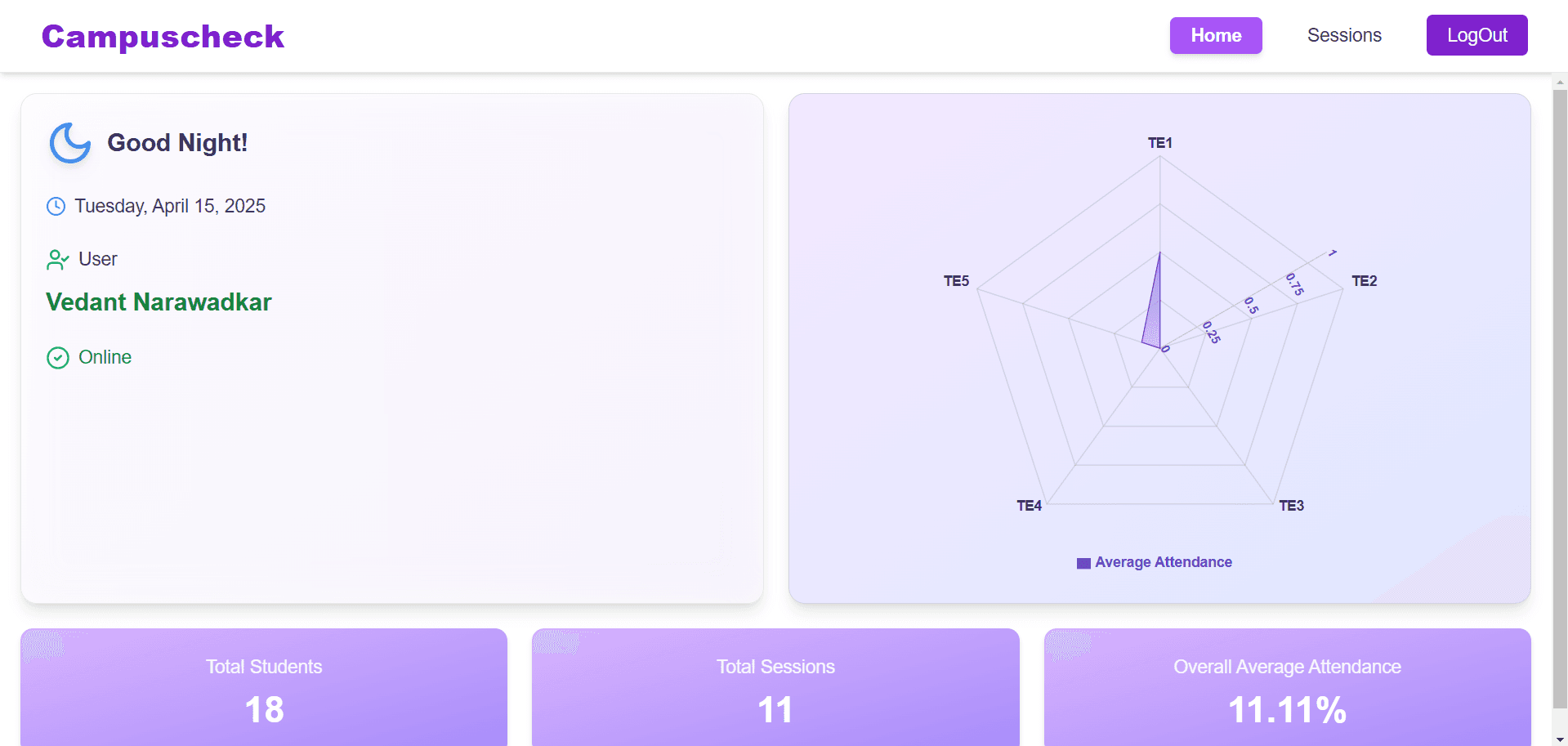
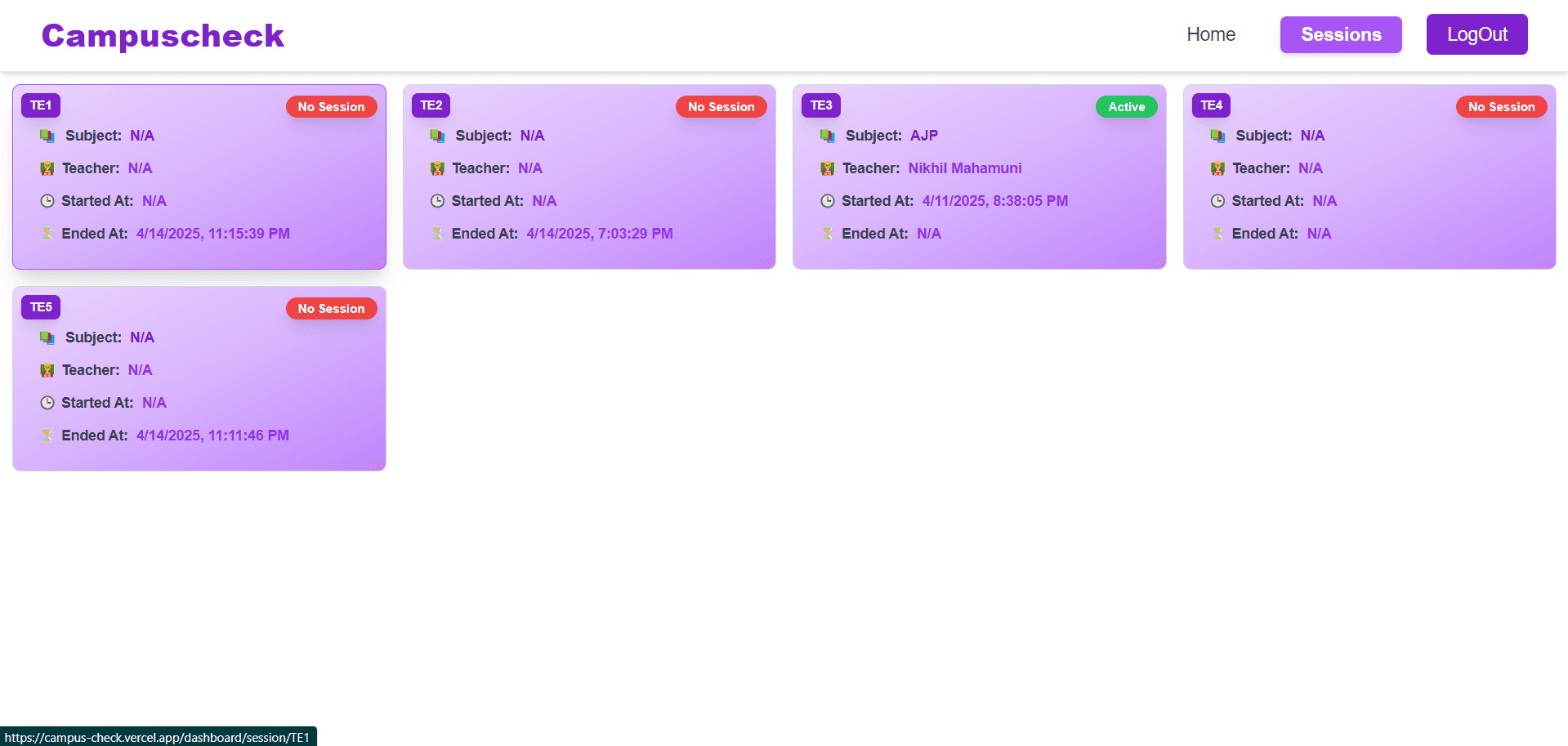
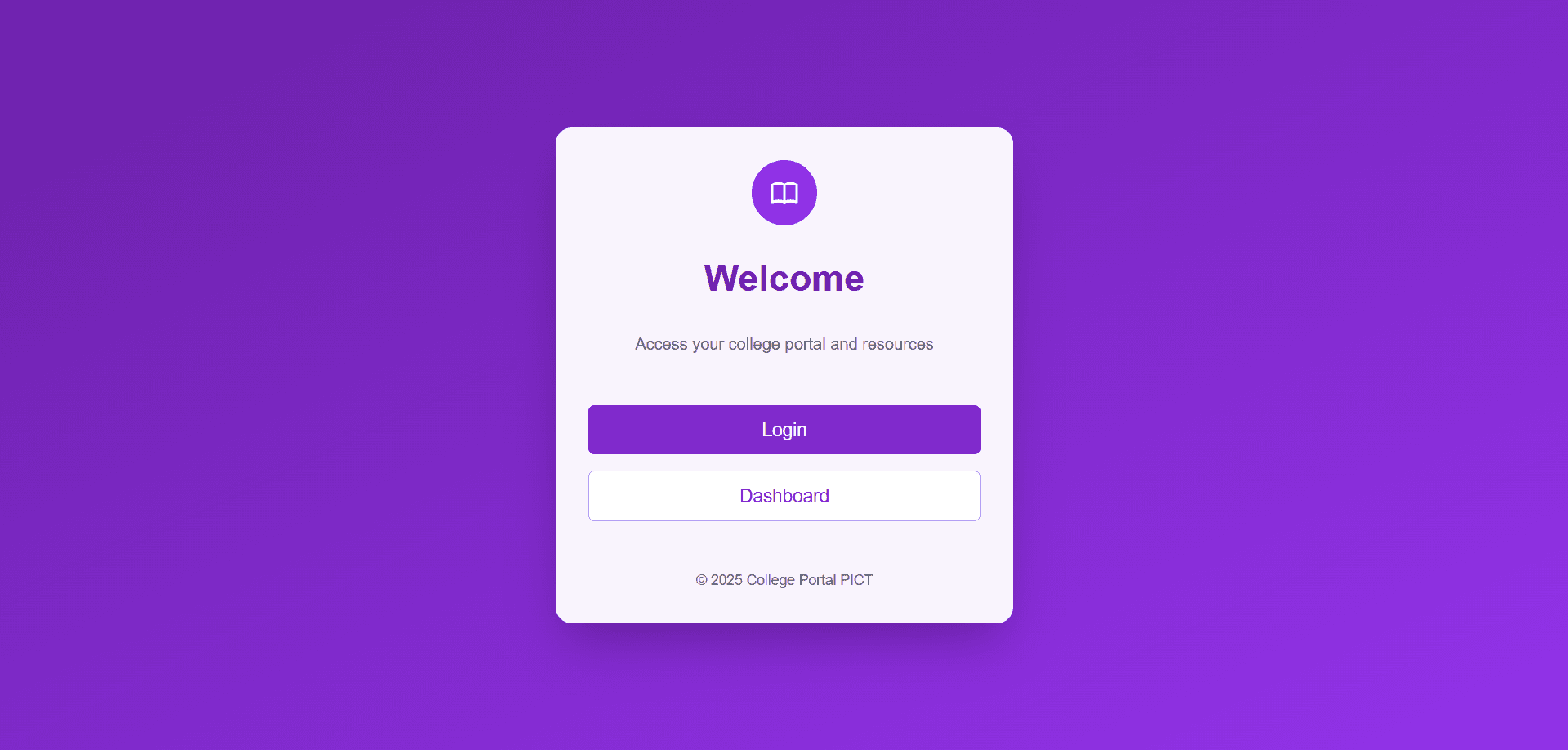
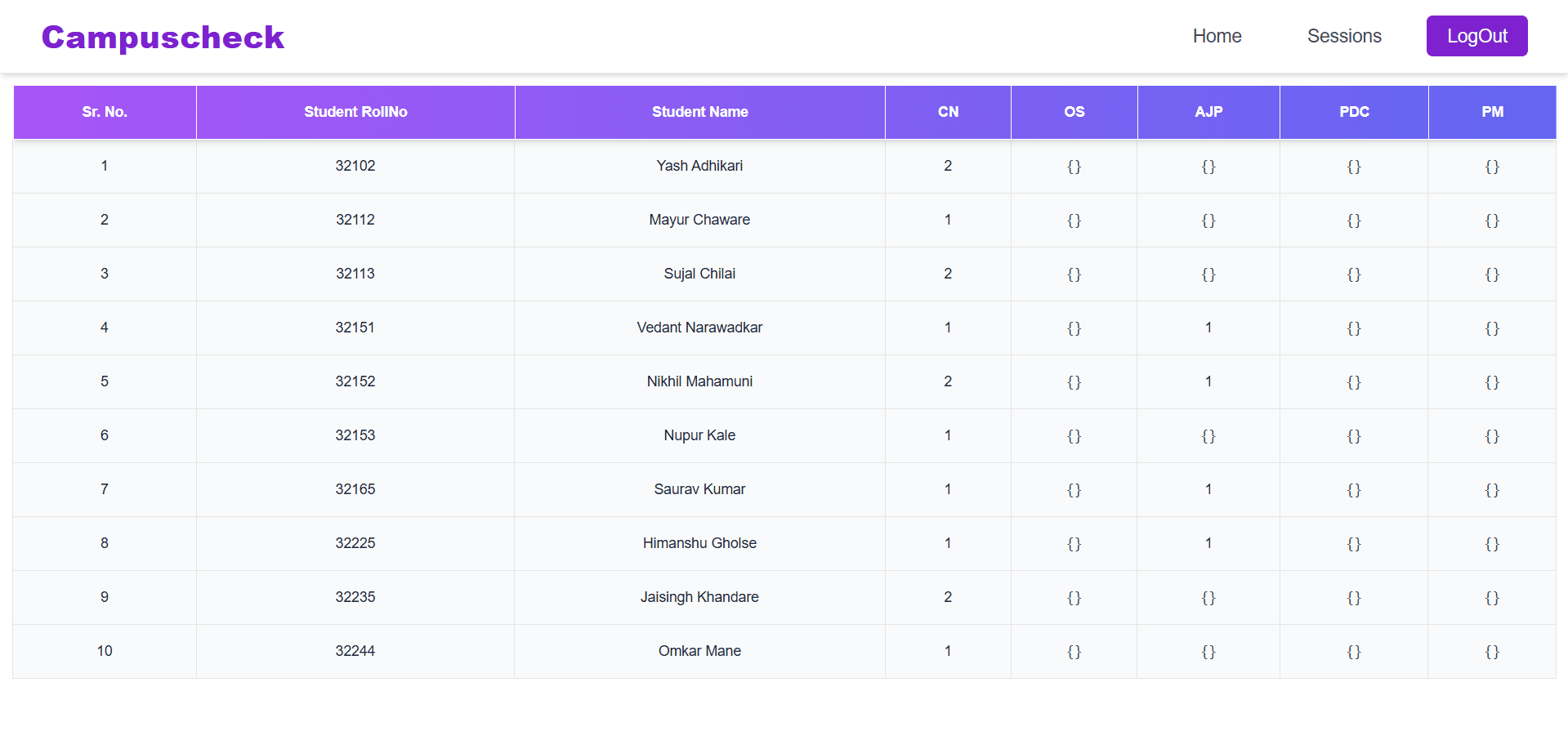
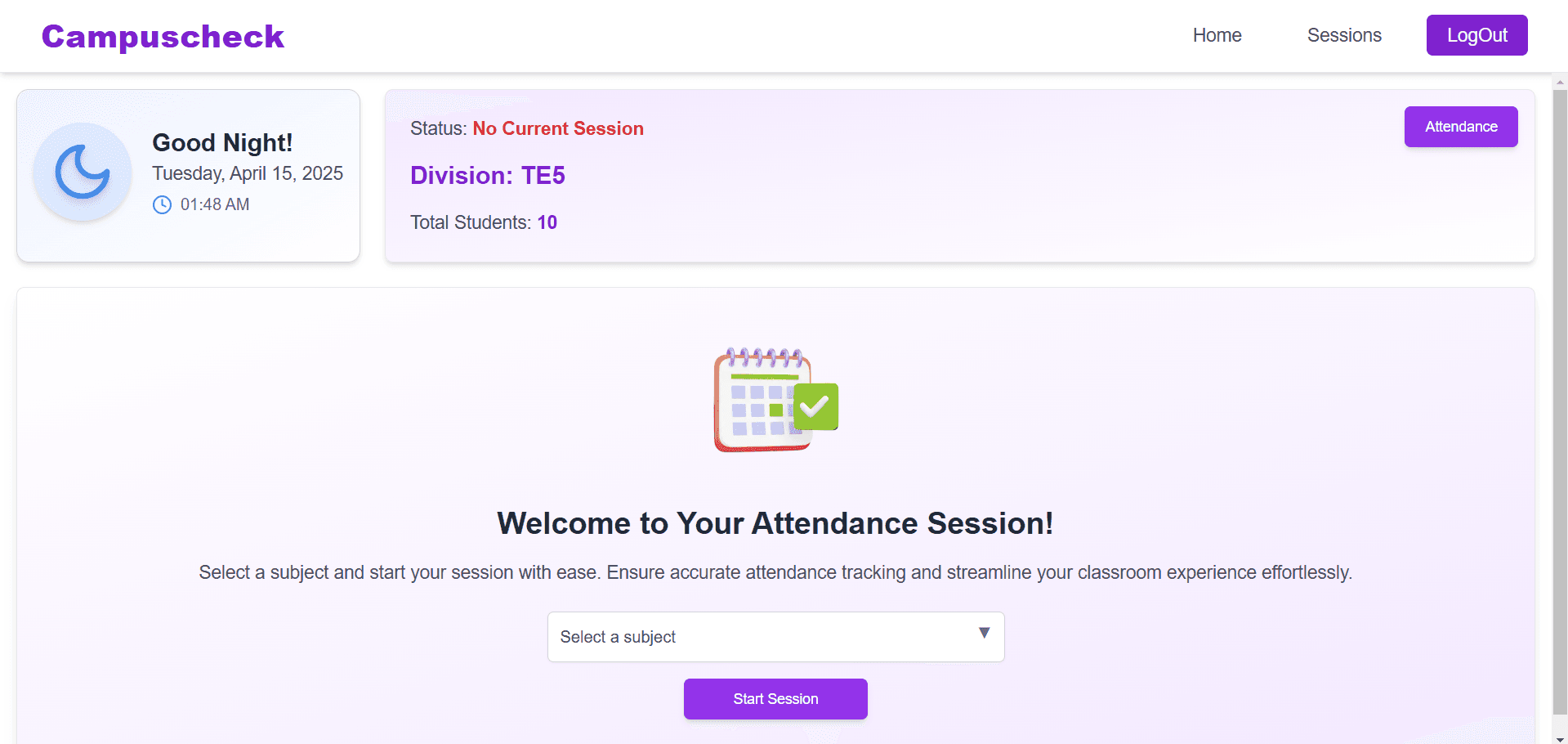
Minimalist Web Interface: I created a simple web dashboard using React to display attendance records, with a clean layout featuring tables for user data and timestamps, styled with a light theme for accessibility and usability.
Scalable Architecture: The Node.js server was built with Express for efficient API handling, and Firebase’s modular structure allowed for easy scalability, supporting future additions like user authentication or analytics.
Results
Streamlined Attendance Tracking: SmartTrack reduced attendance logging time by 70% for 10 test users, with 90% reporting improved efficiency over manual methods, enabling faster classroom or event management.
Reliable Data Updates: Firebase and Node.js integration achieved a 95% success rate for real-time data updates, with latency under 2 seconds, though Wi-Fi stability improvements are needed for broader deployment.
Cost-Effective Prototype: The hardware setup, costing under $15 using ESP8266 and NXP MFRC522, proved viable for small-scale deployments, with breadboard assembly enabling rapid prototyping and iteration.
Personal Skill Development: Through SmartTrack, I gained hands-on experience in hardware prototyping, IoT integration with Firebase, and Node.js server management, strengthening my ability to tackle interdisciplinary tech challenges.